20 October 2023
Reviewing the Feasibility of Carbon Capture Technology
The government's plan to develop carbon capture and storage technology (CCS/CCUS) is getting brighter after the issuance of Minister of Energy and Mineral Resources Regulation No. 2/2023 on the Implementation of Carbon Capture and Storage in Upstream Oil and Gas Business Activities. Currently, there are 15 pilot projects in PT Pertamina's working area, eight of which will start operations in 2026 to 2030. Furthermore, the government is also drafting a regulation that will allow other countries to store their emissions using Indonesia's CCS/CCUS at a certain tariff.

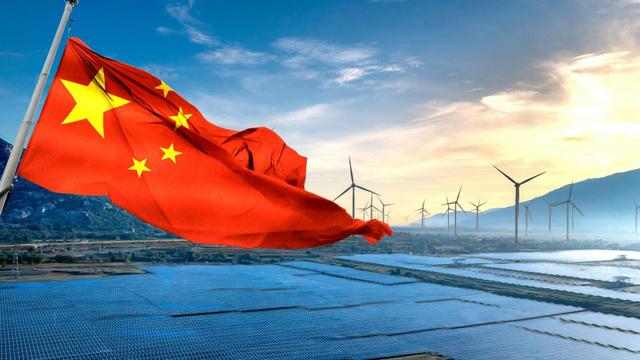
Leveraging China’s Green Momentum for Indonesia’s Economy
Leveraging China’s Green Momentum to Advance Indonesia’s Economic Development
08 November 2025
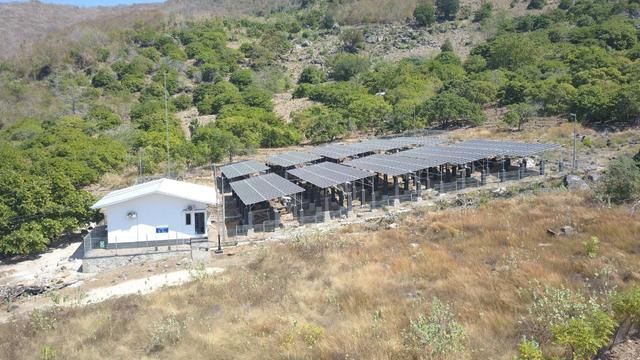
Indonesia’s Village Energy Independence Ambition
Indonesia’s Village Energy Independence Ambition: Opportunities and Challenges of Koperasi Desa Merah Putih’s One Village One Megawatt Plan
12 December 2025
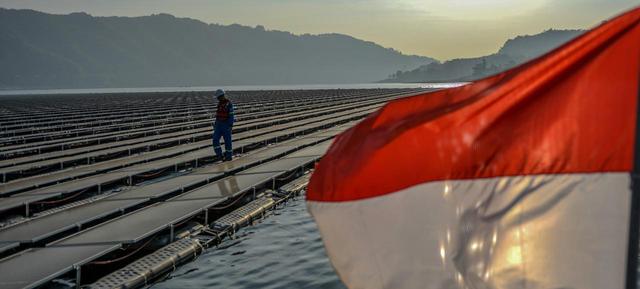
Regional Readiness for the Energy Transition Survey
The transition toward clean and sustainable energy has become an urgent necessity for Indonesia. Although the government has set fairly ambitious national targets, data shows that progress remains suboptimal. This report, titled “Assessing Regional Readiness for the Energy Transition: Findings from Four Provinces,” examines the causes of this gap and shows that the main challenges lie not only in technology or financing, but in governance, institutional capacity, and the readiness of local governments.
26 November 2025
Seven Steps to Effective Communication Planning for Advocacy
The “Seven Steps to Effective Communication Planning for Advocacy” playbook is built from real experience supporting civil society organizations in their communication and advocacy work. Inside, readers will find practical, applicable steps—from identifying target audiences and crafting messages to evaluating communication impact.
14 November 2025
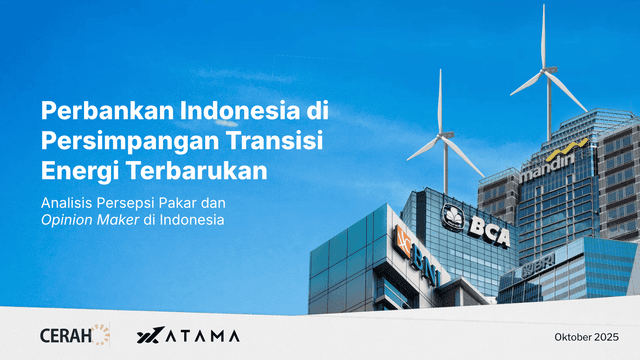
Indonesia’s Banking Sector in Energy Transition
Indonesia’s Banking Sector at the Crossroads of Renewable Energy Transition An Analysis of Expert and Opinion Leader Perceptions in Indonesia
31 October 2025
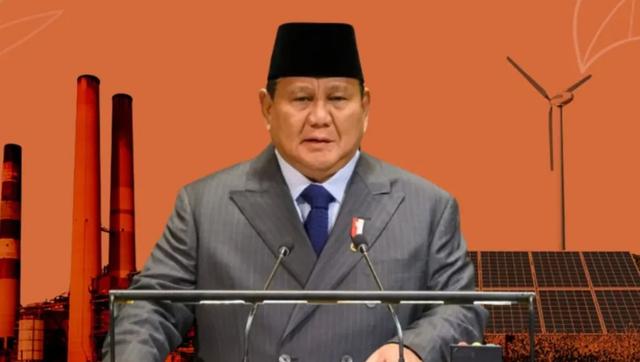
Prabowo’s First Year & 100% Renewable Energy Ambition
One Year of President Prabowo Subianto: 100% Renewable Energy Ambition and Policy Inconsistency
21 October 2025


Jl. Tebet Timur Dalam VIII K No.12, RT.1/RW.9, Tebet Timur, Kec. Tebet, Kota Jakarta Selatan, Daerah Khusus Ibukota Jakarta 12820
Learn about ways you can protect the planet
If you like exciting news, inspiring stories and learning how to protect our planet, sign up for our newsletter!


Copyright © 2023 Cerah. All rights reserved